Why Your Skin Feels Tight After Cleansing (And What to Do Instead)
That tight, squeaky-clean feeling after washing your face?
It's not a sign your skin is clean.
It's a sign your barrier has been disrupted.
As an esthetician, this is one of the most common issues I see — clients using cleansers that strip the skin of its natural lipids, leaving it dehydrated, reactive, and more prone to fine lines and sensitivity over time.
Healthy skin should feel soft, balanced, and comfortable after cleansing.
Not tight.
What's Actually Happening When Skin Feels Tight
Most traditional cleansers — especially foaming ones — are designed to remove oil.
The problem is… your skin needs oil.
When too much is removed:
- the barrier becomes compromised
- moisture escapes more easily
- inflammation increases
- the skin often overproduces oil to compensate
This creates a cycle of imbalance.
And over time, it shows up as dryness, sensitivity, breakouts, or premature aging.
A Different Approach: Cleansing Without Stripping
Cleansing should support the skin, not fight against it.
This is where oil cleansing becomes essential.
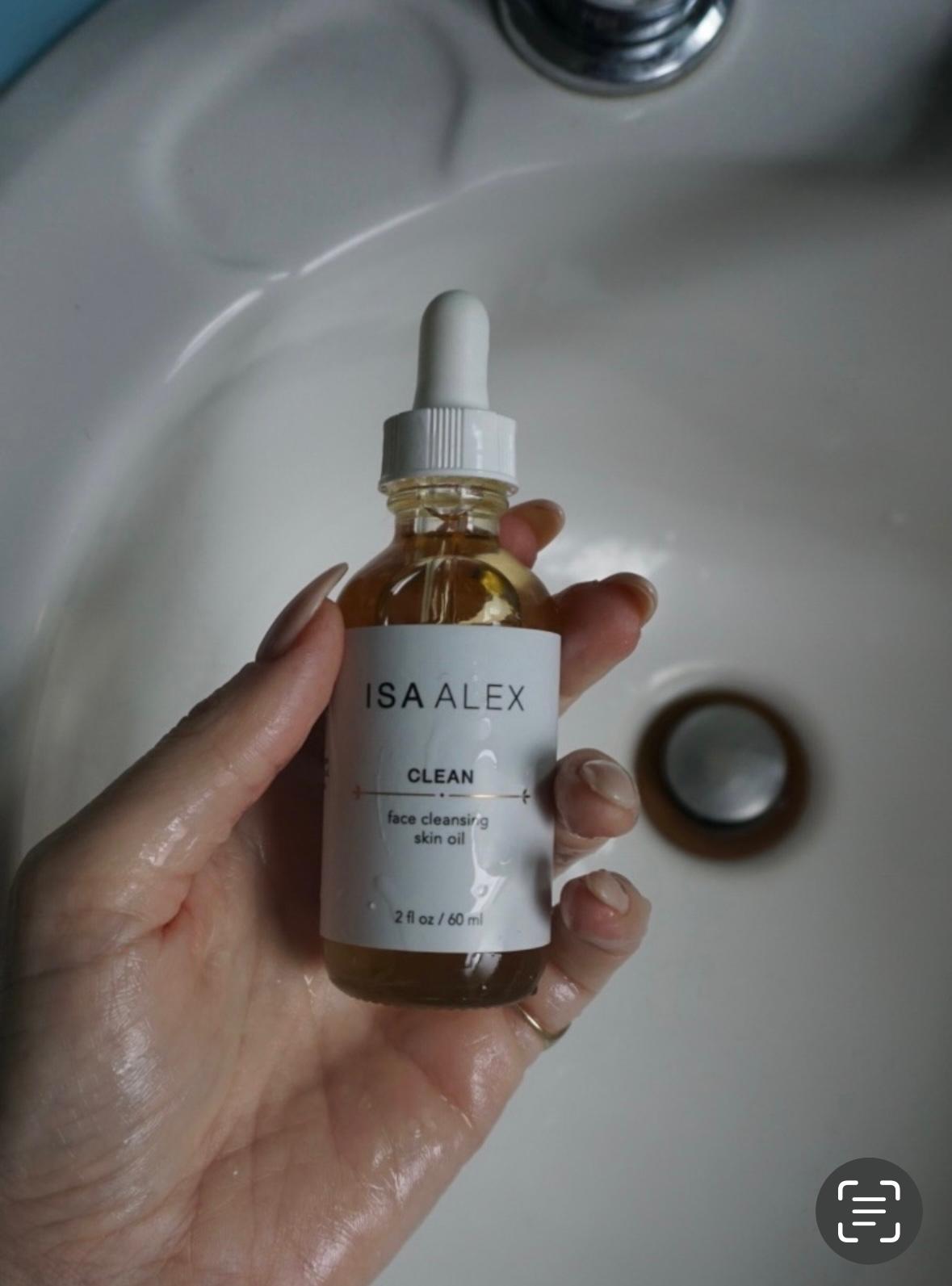
ISA ALEX Clean Organic Face Cleansing Oil was formulated to:
- dissolve makeup, sunscreen, and buildup
- support the skin barrier
- maintain hydration during cleansing
- leave the skin soft, not stripped
It works with your skin's natural composition — rather than disrupting it.
Why Oil Cleansing Works
Oil attracts oil.
Instead of aggressively removing everything on the surface, a cleansing oil gently binds to:
- excess sebum
- sunscreen
- makeup
- environmental debris
Allowing it to be lifted away without disturbing the skin's balance.
The result is clean skin that still feels like skin.
What's Inside: Key Ingredients
Every ingredient in the ISA ALEX Cleansing Oil is 100% pure, organic, or wild-crafted — chosen specifically to cleanse without compromising the skin barrier.
Castor Oil
A deep-cleansing base with natural drawing properties that help lift impurities, dissolve makeup, and clear pores without stripping the skin.
Argan Oil
Rich in vitamin E and essential fatty acids, argan nourishes and protects the skin while cleansing — leaving it soft rather than depleted.
Calendula
One of the most soothing botanicals in natural skincare. Calendula calms irritation, supports skin repair, and is especially beneficial for sensitive or reactive skin.
Jojoba + Sweet Almond
Both closely mimic the skin's natural sebum, making them deeply compatible with the skin barrier. They deliver lightweight nourishment without heaviness or residue.
Lavender
Calming and balancing, lavender brings both a grounding scent and gentle skin-soothing properties to the cleansing ritual.
Does Oil Cleansing Work for Oily or Acne-Prone Skin?
This is one of the most common questions I hear — and the answer often surprises people.
Yes. Oil cleansing can actually be beneficial for oily and acne-prone skin.
Here's why: when the skin is chronically stripped of its natural oils, it compensates by producing more oil. This excess sebum can clog pores and contribute to breakouts.
A gentle cleansing oil — especially one formulated with non-comedogenic oils like jojoba and sweet almond — helps dissolve excess sebum without triggering that overproduction cycle.
The key is choosing the right formula. Not all cleansing oils are created equal.
Morning vs. Evening Cleansing
You don't necessarily need to cleanse with oil twice a day.
In the evening: oil cleansing is essential. It removes the day's buildup — SPF, makeup, pollution, and excess sebum — before your skin goes into overnight repair mode.
In the morning: your skin has been resting, not exposed to the environment. For many people, a gentle rinse with water or a very light cleanse is all that's needed. Over-cleansing in the morning can disrupt the barrier before your day has even started.
Listen to your skin. It will tell you what it needs.
The Ritual of Double Cleansing
For most skin types, I recommend double cleansing in the evening.
Step 1: Cleanse with oil
Massage the cleansing oil into dry skin to break down makeup, SPF, and impurities.
Step 2: Optional second cleanse
If needed, follow with a gentle second cleanse to refine.
Not everyone needs this step — but for those wearing makeup or SPF daily, it helps ensure the skin is truly clean without over-cleansing.
What to Do After Cleansing
What you do immediately after matters just as much.
After cleansing:
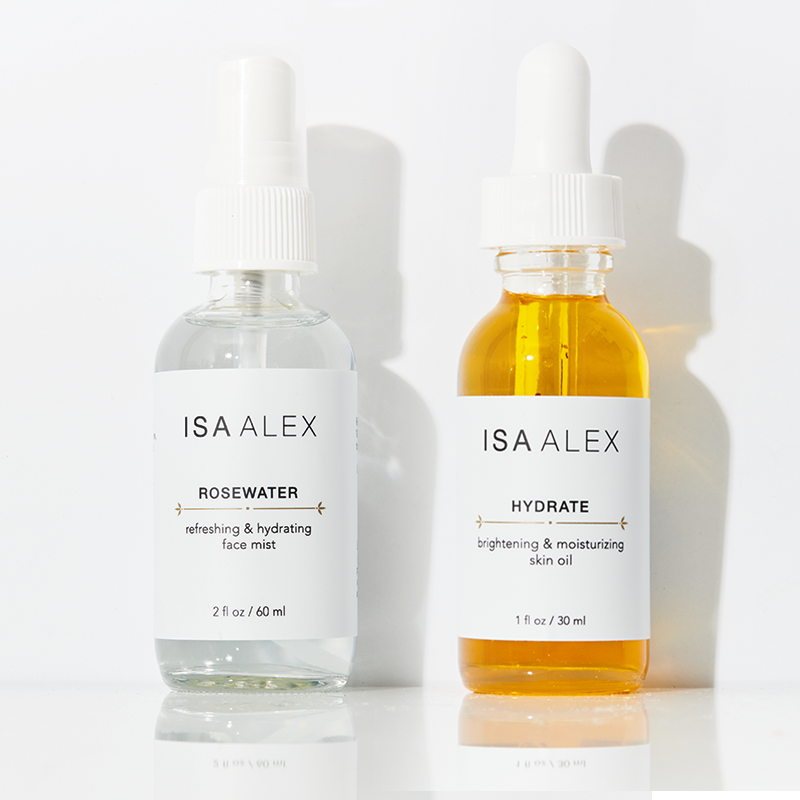
- apply hydration (mist or serum) while skin is still slightly damp
- follow with a face oil to seal in moisture and support the barrier
This helps restore balance and prevent moisture loss throughout the night.
The Shift
When you stop stripping your skin… everything changes.
Skin becomes:
- calmer
- more balanced
- less reactive
- naturally more radiant
It's not about doing more.
It's about choosing products that work with your skin.
Your Cleansing Ritual
Start here:
Cleanse with intention.
Support the barrier.
Let the skin function the way it was designed to.
Because healthy skin should never feel tight.
Frequently Asked Questions About Oil Cleansing
Is oil cleansing good for acne-prone skin?
Yes — when done with the right formula. Non-comedogenic oils like jojoba and sweet almond dissolve excess sebum without clogging pores. Stripping the skin with harsh cleansers often worsens acne by triggering overproduction of oil.
Can I use a cleansing oil every day?
Yes. A gentle cleansing oil is suitable for daily evening use for most skin types. In the morning, a light rinse with water is often sufficient.
What's the difference between a cleansing oil and micellar water?
Micellar water uses surfactant molecules suspended in water to attract and lift impurities. Cleansing oils use the principle that oil dissolves oil, making them more effective at removing SPF and long-wear makeup while also nourishing the skin barrier. For most skin types, a cleansing oil provides a deeper, more barrier-friendly cleanse.
Do I need to double cleanse?
Not always. If you wear SPF or makeup daily, double cleansing in the evening ensures a thorough clean. If you're having a low-product day, a single oil cleanse is often enough.
Will a cleansing oil leave my skin feeling greasy?
A well-formulated cleansing oil should not leave residue. When emulsified with water and removed with a warm cloth, it rinses cleanly — leaving skin soft and balanced, not oily.


Leave a comment
This site is protected by hCaptcha and the hCaptcha Privacy Policy and Terms of Service apply.