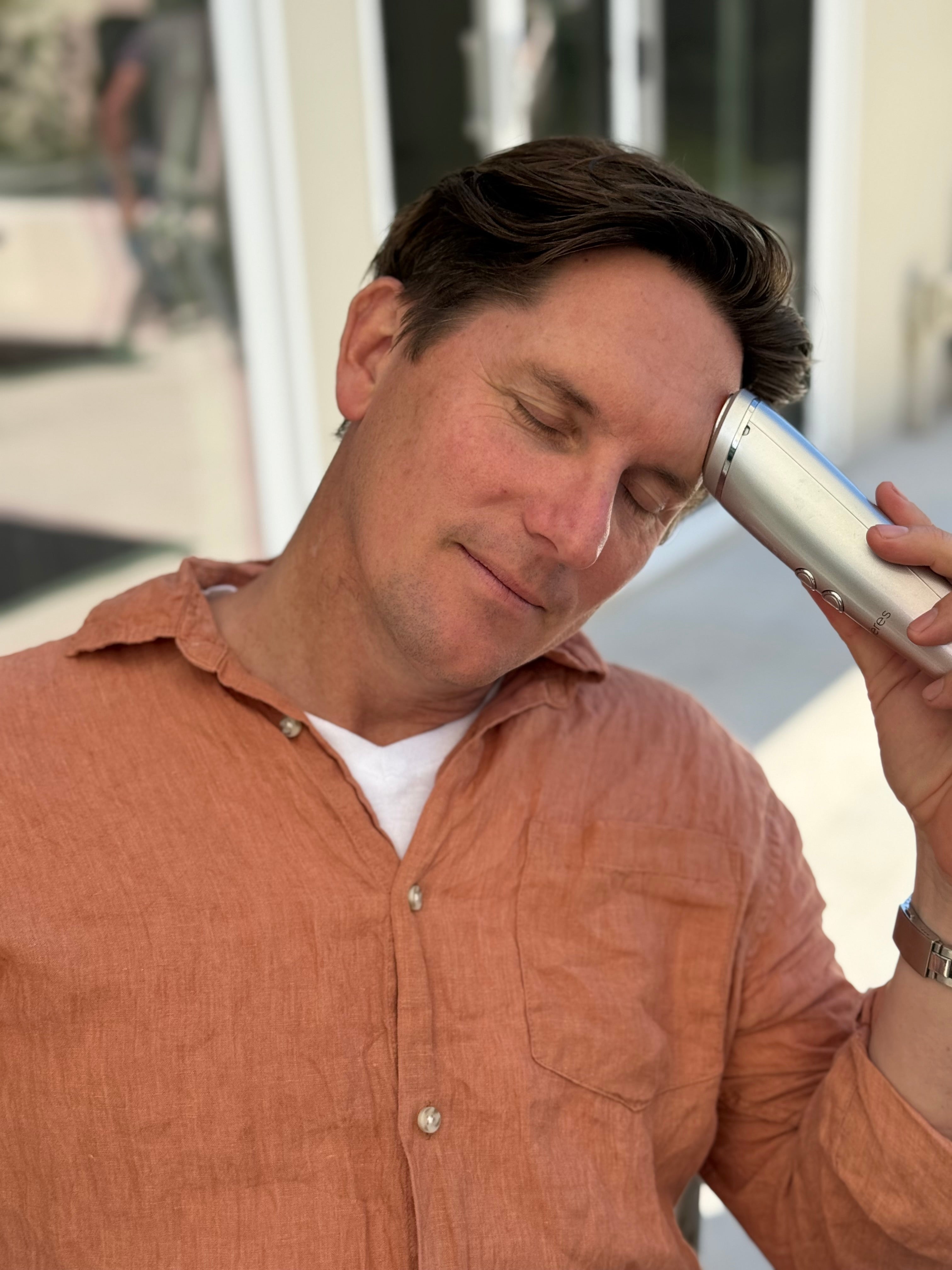
How to Use Red Light Therapy at Home for Firmer, Glowing Skin
Red light therapy has become increasingly popular in skincare… but like many things, the results are often misunderstood.
It's not about using it once and expecting immediate change.
And it's not meant to replace everything else in your routine.
When used consistently and correctly, it becomes a simple way to support the skin — helping it look more radiant, balanced, and refined over time.
What Red Light Therapy Does for the Skin
Red light works by delivering low levels of light energy into the skin.
This process supports:
- circulation
- cellular renewal
- overall skin vitality
Over time, this can help improve the appearance of:
- dullness
- uneven tone
- fine lines
It's not an instant fix.
It's a supportive, cumulative approach.
Where Radio Frequency Comes In
Some devices combine red light with radio frequency.
Radio frequency works differently.
It gently warms the deeper layers of the skin, creating a controlled thermal effect that helps support:
- collagen production
- elastin
- improved firmness over time
When combined, you're supporting the skin on multiple levels:
- Light for surface vitality
- Heat for deeper structure
Why Consistency Matters
This is where most people go wrong.
Using these technologies occasionally won't give you the full benefit.
The skin responds best to regular, repeated stimulation.
A few minutes, most days, is enough.
Consistency is what creates visible change.
How to Use Red Light at Home
The key is to keep it simple.
- Cleanse your skin thoroughly
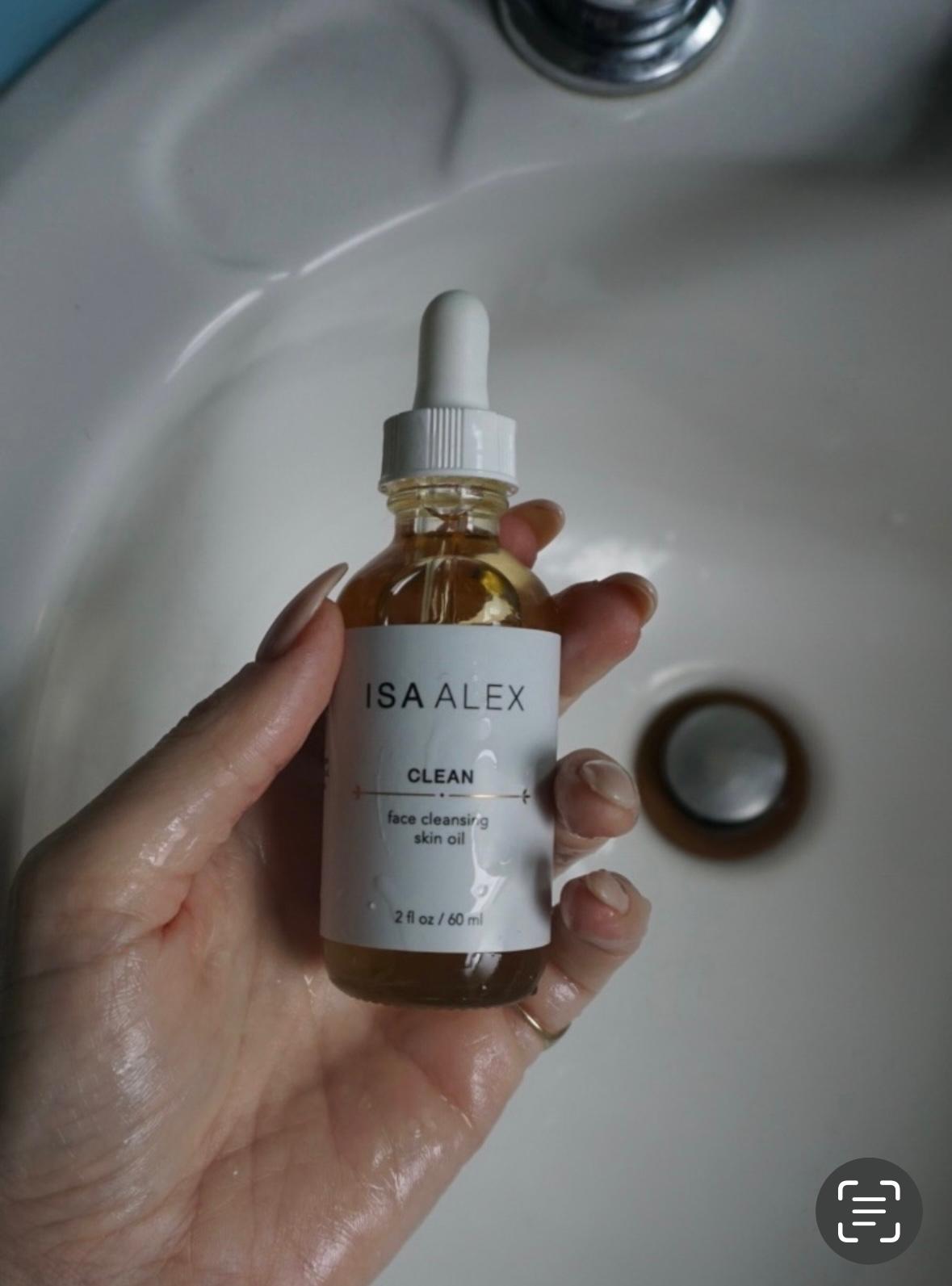
- Apply a few drops of face oil or your preferred serum to allow for glide
- Use your device with slow, controlled movements across the face
- Finish with your remaining skincare products
This entire ritual takes just a few minutes — and fits easily into your morning or evening routine.
→ Watch a quick demo to see the technique in action
Not All Devices Are the Same
Red light devices have become widely available… but they are not all designed the same.
Many focus on light alone.
While that can support the skin, results are often limited when used in isolation.
What Makes This Approach Different
The ISA ALEX Red Light Glow Duo combines red light with radio frequency, allowing you to support the skin on multiple levels:
- Red light supports circulation and skin vitality
- Radio frequency gently warms the deeper layers to support collagen and elastin
Instead of working only on the surface, you're also supporting the structure of the skin over time.
Why I Chose This Device
Over the years, I've seen many clients invest in tools they were excited about… only to stop using them.
Not because they didn't work.
But because they didn't fit into real life.
So I looked for something I would actually use at home — and could confidently recommend.
- Lightweight and easy to hold
- Follows the natural contours of the face
- Simple — no complicated settings
- Easy to travel with
- Lifetime guarantee
You can use it as a quick reset before going out, after a long day, or after traveling.
Because the Best Tool Is the One You Use
Even the most advanced technology won't make a difference if it's not used consistently.
When something feels easy, intuitive, and effective… it becomes part of your routine.
And that's where real results begin.
A Facialist's Perspective
In the treatment room, results come from a combination of professional treatments and what happens at home.
Facials help stimulate and reset the skin.
But what you do in between — consistently — maintains and builds those results.
This is where tools like red light and radio frequency can make a meaningful difference.
You don't need a complicated routine to see change.
You need the right tools… and consistency.
Who Is Red Light Therapy Best For?
Red light therapy is suitable for most skin types, but it tends to deliver the most noticeable results for those experiencing:
- Loss of firmness or elasticity — particularly from your mid-30s onward, as collagen production naturally begins to slow
- Dullness and uneven skin tone — red light supports circulation and cellular renewal, which helps restore radiance
- Fine lines and early signs of aging — the combination of red light and radio frequency addresses both surface texture and deeper skin structure
- Skin that feels reactive or stressed — red light has anti-inflammatory properties that can help calm and balance the skin over time
- Anyone wanting to extend the results of professional facials — at-home devices help maintain and build on what's done in the treatment room
If you're in your 30s, 40s, or beyond and looking for a non-invasive way to support your skin's structure and glow, this is one of the most effective tools you can add to your routine.
Frequently Asked Questions About Red Light Therapy
How often should I use red light therapy at home?
Most people see the best results with consistent use — a few minutes most days of the week. Like exercise, the cumulative effect of regular sessions is what drives visible change over time.
How long does it take to see results from red light therapy?
Results vary by individual, but most people begin to notice improvements in skin tone, texture, and radiance after 4–8 weeks of consistent use. Firmness and fine line improvements typically take longer as collagen remodeling is a gradual process.
Can I use red light therapy with my skincare products?
Yes — in fact, applying a face oil or serum before using the device helps the tool glide smoothly and may enhance absorption. Avoid using active ingredients like retinol or strong acids immediately before a session.
What is the difference between red light therapy and radio frequency?
Red light therapy works at the surface level, supporting circulation, cellular renewal, and skin vitality. Radio frequency penetrates deeper, gently warming the tissue to stimulate collagen and elastin production. Combining both addresses the skin on multiple levels simultaneously.
Is red light therapy safe for all skin types?
Red light therapy is generally considered safe for all skin types and tones. It is non-invasive and does not use UV light. If you have a specific skin condition or are on photosensitizing medication, consult with a skincare professional before starting.

Leave a comment
This site is protected by hCaptcha and the hCaptcha Privacy Policy and Terms of Service apply.