What Colorado Taught Me About Caring for Skin in a Dry Climate
How high altitude, lower humidity, and a few simple adjustments helped my skin thrive
A few weeks ago, my two kids and I returned from a restorative trip to Colorado, where we visited my dear friend Petra at her ranch, Shalako, just outside Mancos.
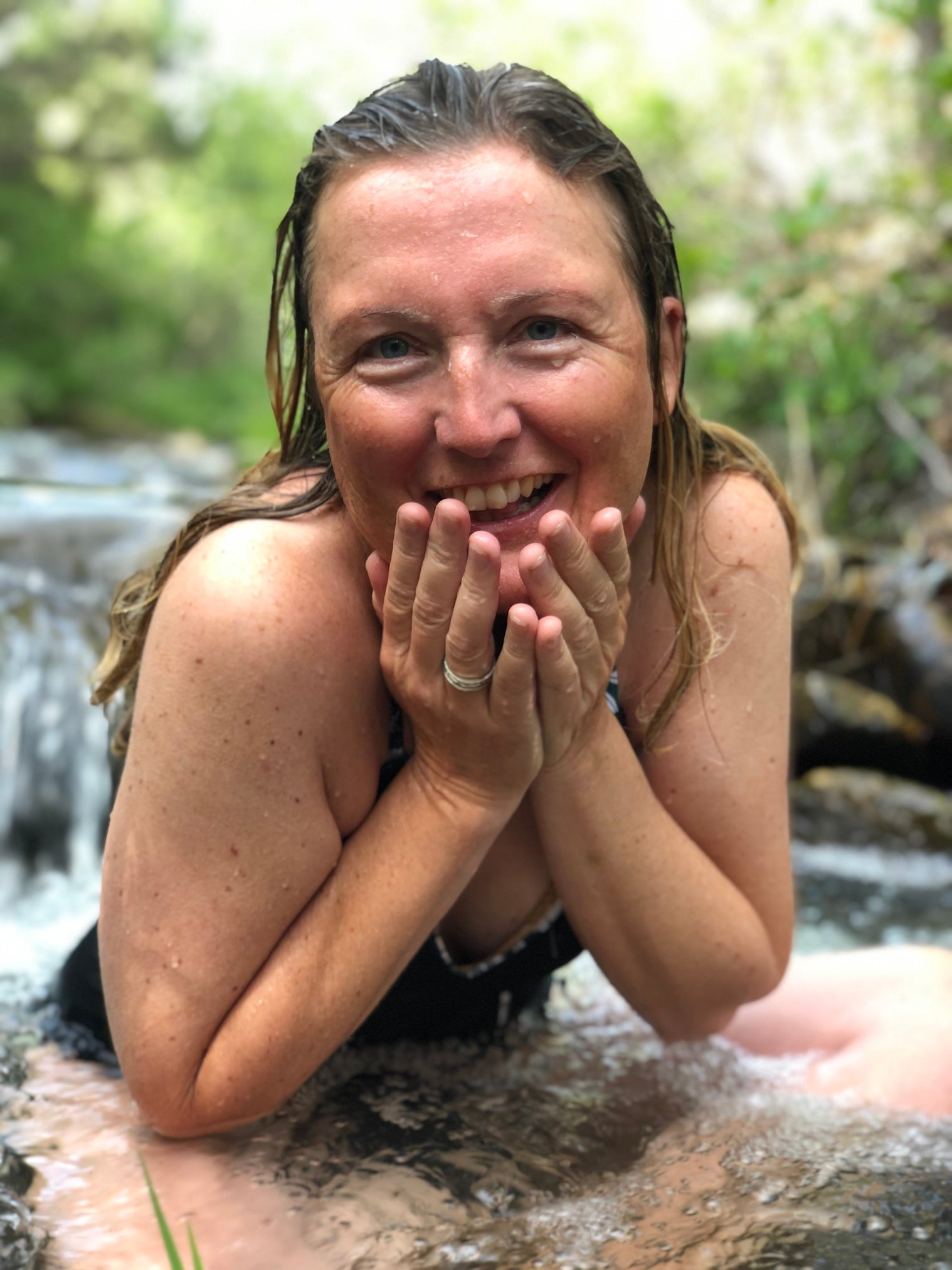
Our mornings began with coffee overlooking the mesa before a cold plunge in the river. We spent our days hiking, cooking simple meals together, and enjoying the fresh mountain air. It was exactly the kind of reset I didn't know I needed.
After just a few days, though, I noticed something else.
My skin felt noticeably drier.
Living on the California coast, I'm used to cool ocean air and natural humidity. Colorado's high altitude, dry climate, stronger sunshine, and long days outdoors created a completely different environment for my skin.
It reminded me of something I often tell my facial clients:
Our skincare shouldn't stay exactly the same simply because the calendar still says "summer."
Our skin responds to its environment.

Why High Altitude Changes Your Skin
One of the biggest differences between mountain climates and coastal climates is humidity.
At higher elevations, the air naturally holds less moisture. Combined with stronger UV exposure, wind, sunscreen, travel, and long days outdoors, your skin loses water more quickly than it does at sea level.
That can leave your skin feeling:
- Tight after cleansing
- Dry or flaky
- More sensitive than usual
- Dull or lacking radiance
- More prone to dehydration lines
It doesn't necessarily mean your products have stopped working.
More often, it's simply your skin asking for a little more support. The good news is that skin responds quickly when you give it what it needs.
The Summer Pattern I See Every Year
Every summer I notice a similar pattern in my treatment room.
After spending more time outdoors, many women notice pigmentation, roughness, or skin that simply doesn't feel as healthy as it did a few weeks earlier.
The natural reaction is often to exfoliate more or reach for stronger active ingredients.
But when the skin is already managing heat, UV exposure, travel, wind, and dehydration, adding more stimulation isn't always the answer.
Instead of asking,
"What else should I add?"
Try asking,
"What is my skin asking for today?"
That simple shift often changes everything.

My Colorado Skincare Routine
While I was away, I kept my routine beautifully simple.
Every evening I gently cleansed away sunscreen, sweat, makeup, and the day's adventures.
Then I layered hydration — starting with my Rosewater Mist on damp skin, then sealing it in with botanical face oils. Applying the mist first creates a water-rich base that the oil can lock in, rather than sitting on top of dry skin. On evenings when my skin needed a little extra support, I'd finish with a moisturizer to reinforce the barrier.
During the day, sunscreen became non-negotiable.
And I resisted the temptation to over-exfoliate.
Sometimes consistency is far more powerful than intensity.
Don't Forget to Hydrate From Within
Healthy skin starts from the inside out, especially in a dry climate.
While I was in Colorado, I found myself drinking water almost constantly. When we're hiking, spending long days in the sun, or adjusting to a drier environment, plain water isn't always the whole story.
A few simple habits can help support hydration:
- Start your morning with a large glass of water before coffee.
- Add sliced cucumber, lemon, or fresh mint to make water more enjoyable to drink throughout the day.
- If you've been sweating or spending hours outdoors, consider adding an electrolyte mix or, if appropriate for you, a small pinch of mineral-rich salt to your water to help replace electrolytes.
- Eat water-rich foods like cucumber, watermelon, berries, oranges, and leafy greens.
- Sip consistently throughout the day instead of waiting until you feel thirsty.
Hydration won't replace a good skincare routine, but it gives your skin the support it needs from within and leaves your skin balanced rather than dry and parched.

One Ritual I Brought Home
One thing I wasn't ready to leave behind was the morning cold plunge.
Although I don't have a mountain river outside my front door, I've continued ending my morning shower with 30 to 45 seconds of cold water.
I love how refreshed it makes me feel. It wakes me up, leaves my complexion naturally rosy, and has become one of those simple rituals that helps me begin the day feeling grounded. Cold water on the face also helps reduce puffiness, tighten pores, and stimulate circulation — a simple, free tool for a naturally healthy complexion.
Five Simple Tips for Dry-Climate Skin
If your skin has been feeling drier than usual this summer, try simplifying your routine for a week.
Cleanse gently every evening to remove sunscreen, makeup, sweat, and environmental buildup. Avoid foaming or stripping cleansers — a cleansing oil is ideal when skin is already stressed.
Replenish hydration with a facial mist before applying your face oil. Applying oil to damp skin helps lock in moisture rather than sitting on top of it.
Support your skin barrier with nourishing botanical oils. Look for calming ingredients like prickly pear seed oil, lavender, rosehip, or chamomile — each helps restore softness and resilience without overwhelming stressed skin.
Wear a broad-spectrum, clean SPF every morning and reapply when spending time outdoors. UV exposure is stronger at altitude — even on cloudy days. Look for a non-toxic, mineral-based formula that protects without compromising your skin barrier.
Ease back on exfoliation until your skin feels balanced again. When skin is dehydrated, active ingredients like retinoids, AHAs, and BHAs can increase sensitivity and slow recovery. Give your barrier time to rebuild first.
Whether you're traveling to the mountains, spending more time outside, or simply noticing seasonal changes, your skin is always communicating with you.
Sometimes the healthiest glow doesn't come from adding more products. It comes from paying closer attention to what your skin needs in the environment you're in.

My Dry Climate Skincare Routine
If your skin has been feeling dry, dehydrated, or more sensitive this summer, these are the products I found myself reaching for throughout my time in Colorado—and that I continue to use at home.
Clean Cleansing Oil to gently remove sunscreen, makeup, and the day's impurities without stripping the skin.
Rosewater Mist to replenish hydration and prepare the skin for face oil.
Hydrate Face Oil to deeply nourish dry, dehydrated, or sun-exposed skin.
Soothe Face Oil to calm skin that feels sensitive or reactive from wind, sun, or changes in climate.
Together, they create a simple, intentional routine that supports a healthy skin barrier and helps restore soft, radiant skin—whether you're at home or traveling.


Leave a comment
This site is protected by hCaptcha and the hCaptcha Privacy Policy and Terms of Service apply.